My Approach in Therapy
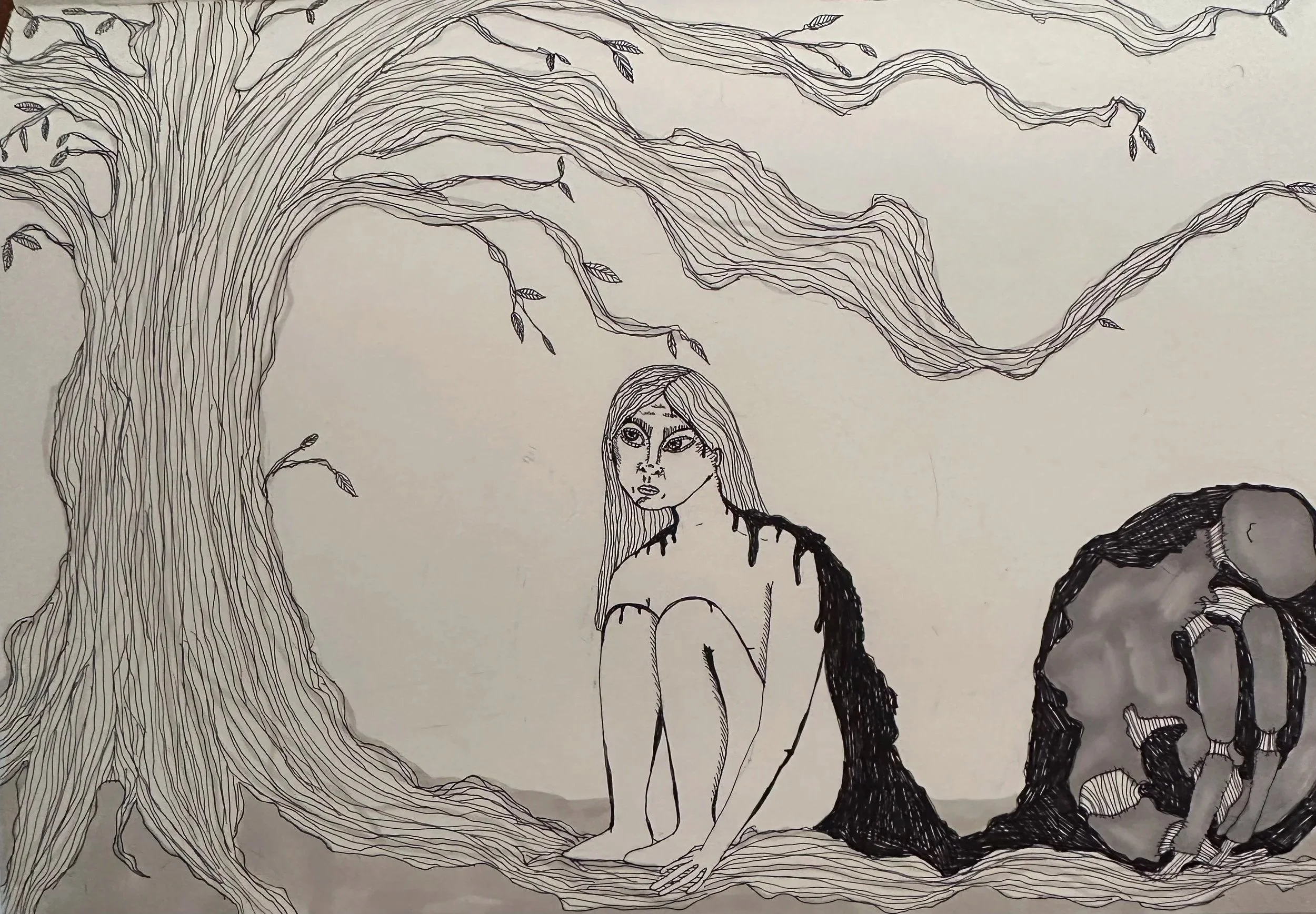
Emotions are not problems to solve or parts of ourselves to get rid of—they can be invitations to listen more deeply. Sadness, anxiety, grief, shame, guilt, unworthiness, fear, anger, doubt, confusion, rage, and loneliness can become doorways to understanding our voice, needs, power, and inner wisdom. When we approach these parts of ourselves with curiosity, compassion, and nuance, we begin to see that they are not parts we need to push away. Instead, they carry important messages that can help us understand ourselves more deeply.
Many of us may not have had the tools, support, or safety needed to build a relationship with these parts of ourselves. As a result, we may have found creative ways to survive that once protected us but may no longer feel supportive in our lives today. For old ways of coping to finally rest, these parts often need to feel seen, understood, and safe within us. As we build relationships with all parts of ourselves, we create space for greater compassion, nuance, and connection—offering us a deeper sense of humanity and wholeness. I am here to support you in building a relationship with these parts at the speed of trust, honoring that trust and safety cannot be forced and that each part unfolds and shares its story in its own time.
“Not everything that is faced can be changed, but nothing can be changed until it is faced.” — James Baldwin
Integrating, honoring and befriending all parts of you—embracing your wholeness.
Healing Through the Wisdom of the Body
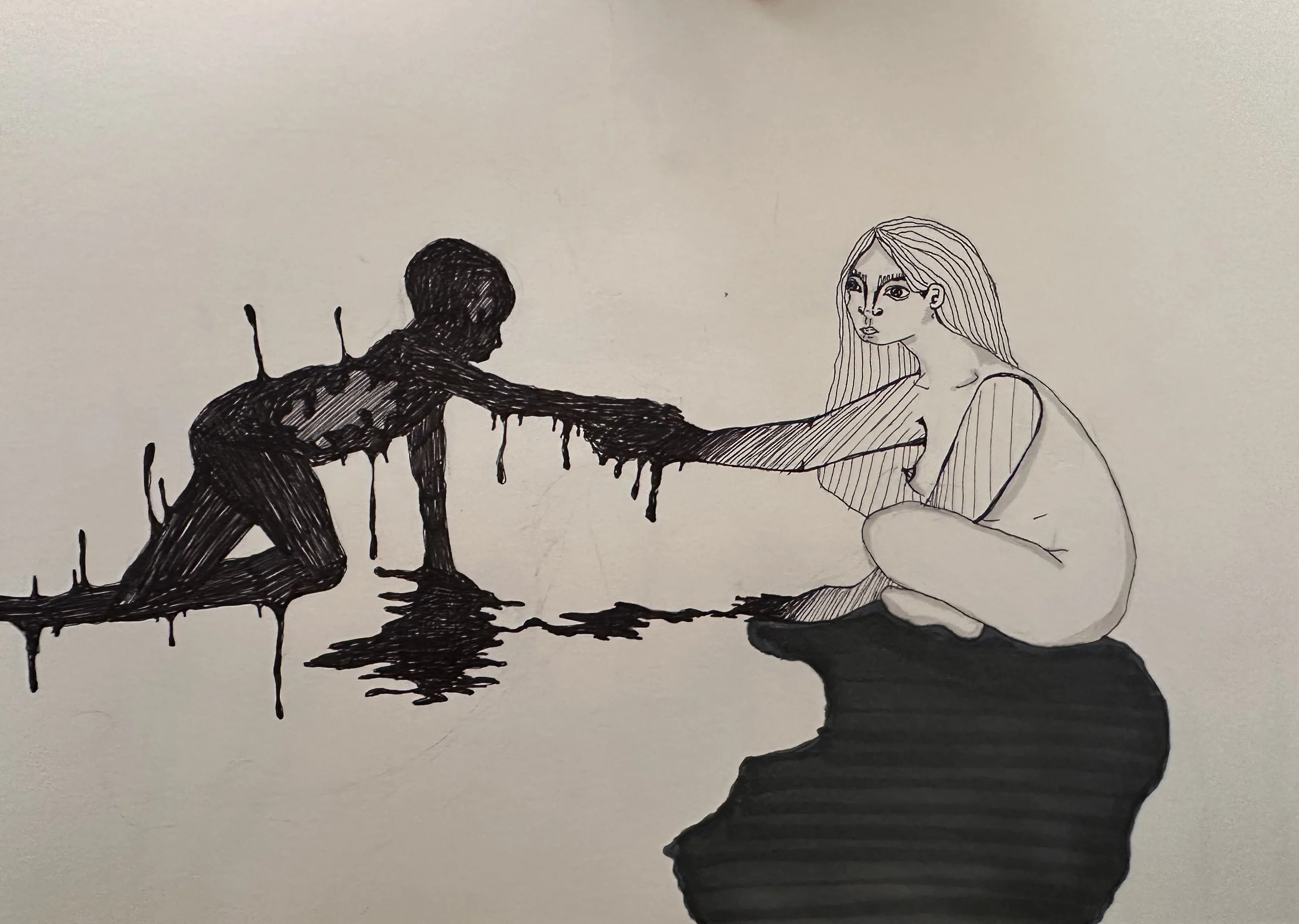
Our bodies often carry experiences, emotions, stress, and memories that words alone may not fully capture. I am here to support you in becoming curious about what your body is experiencing and in building a deeper relationship with it. Through somatic and mindfulness practices, we can begin to listen to what your body may be expressing—needs, feelings, boundaries, memories, and internal experiences. Connecting with the body can be a powerful way to process trauma, wounds, and relational experiences. By connecting with emotions in the body and slowing down with curiosity and compassion, we can build greater awareness, self-trust, and connection to ourselves. Together, we may also practice building the capacity to gently be with discomfort while strengthening your ability to connect with experiences of safety and grounding in the body. Learning to move between moments of activation and safety can help expand your capacity to stay present with your experiences. Rather than viewing the body as something to control or change, healing can involve learning to listen to and honor the wisdom it holds.
“The way out is in.” - Thich Nhat Hanh
“Your body is where your instincts, your values, and your soul converge.” - Resmaa Menakem
Healing as Sacred Resistance, Liberation and Abolition.
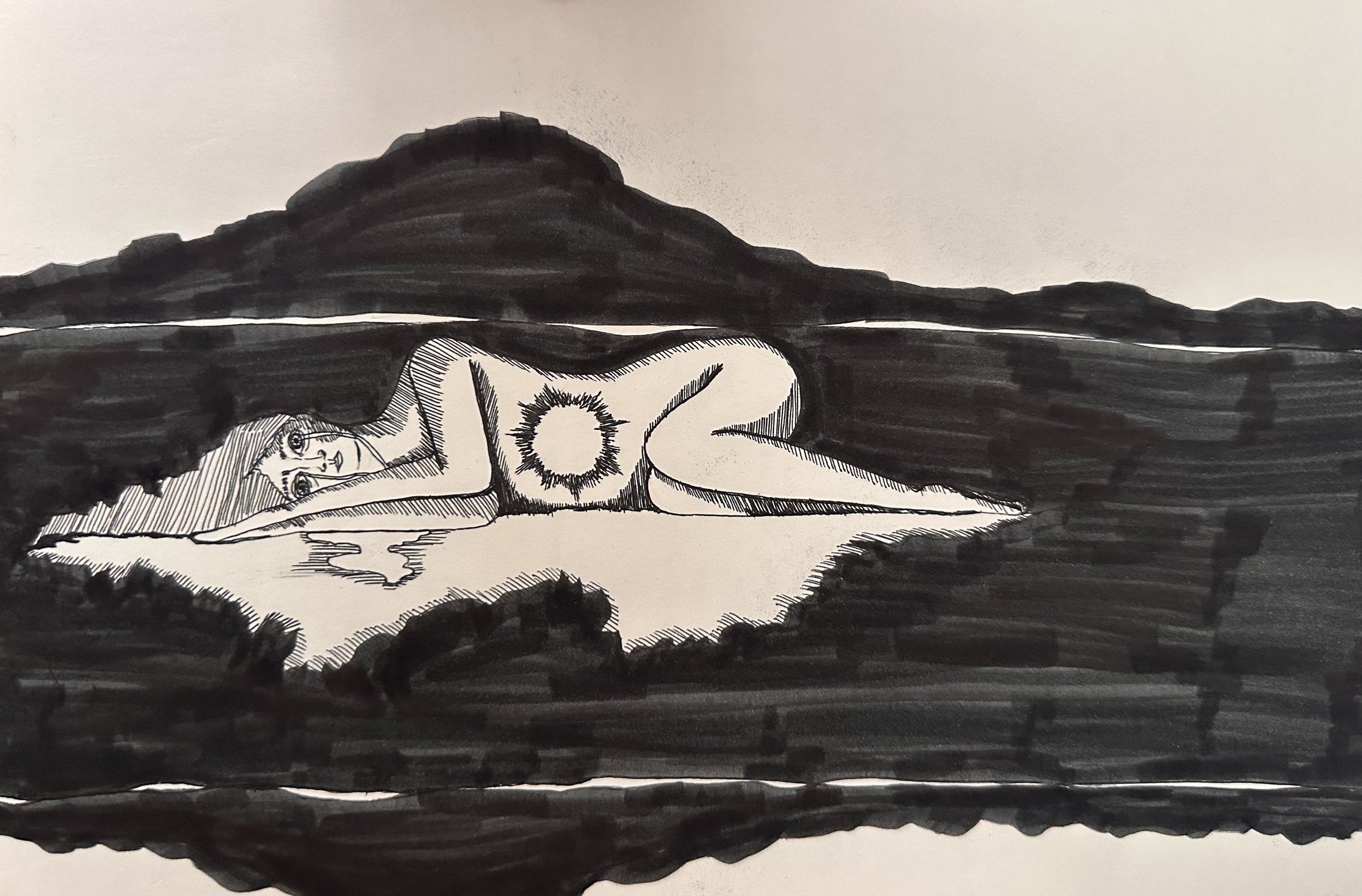
Our experiences and struggles do not happen in isolation. Our identities, relationships, communities, and the systems we move through all shape how we experience ourselves and the world around us. Together, we can explore how experiences such as family dynamics, societal expectations, and systems of oppression—including racism, colonialism, white supremacy, sexism, ableism, homophobia, transphobia, and other systemic inequities—may affect your well-being, relationships, and sense of self. Healing is not about “fixing” you or helping you fit into systems that may have caused harm. Instead, this is a journey toward reconnecting with your voice, wisdom, strengths, and choices.
Healing can be an act of resistance and liberation. As we unlearn harmful beliefs and reconnect with our needs, we create opportunities to build more compassionate relationships with ourselves and others. We may also explore how larger systems become internalized in the ways we see ourselves and others—for example, through rigid ideas of people as “good” or “bad.” Together, we can make space for nuance, complexity, and the many layers within ourselves and others while exploring practices that support healing, accountability, and connection rather than shame, punishment, or disconnection. Through curiosity and creativity, we can practice new ways of relating that foster care, repair, deeper connection, and collective liberation.
“What we practice at the small scale sets the patterns for the whole system” - adrienne marie brown
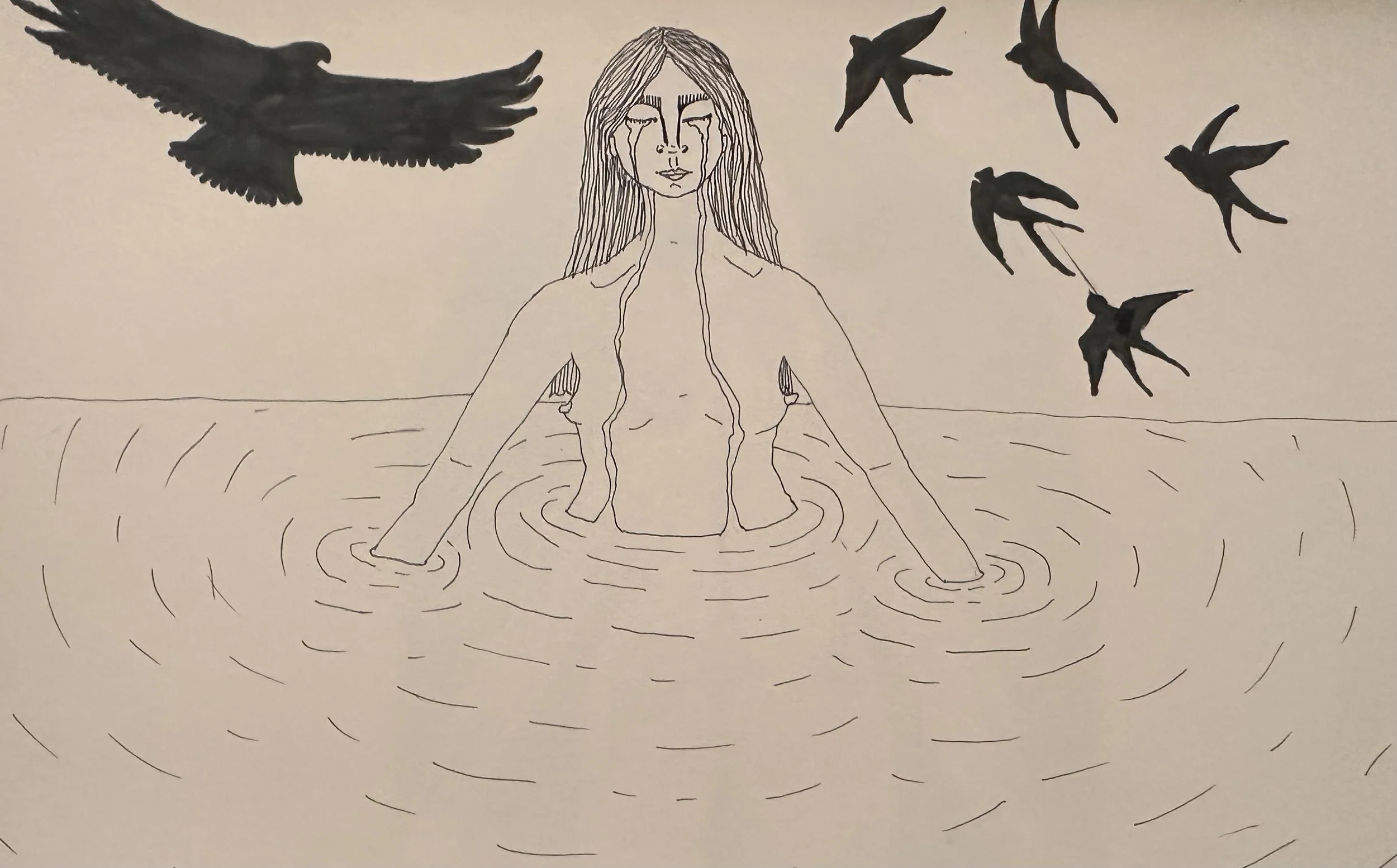
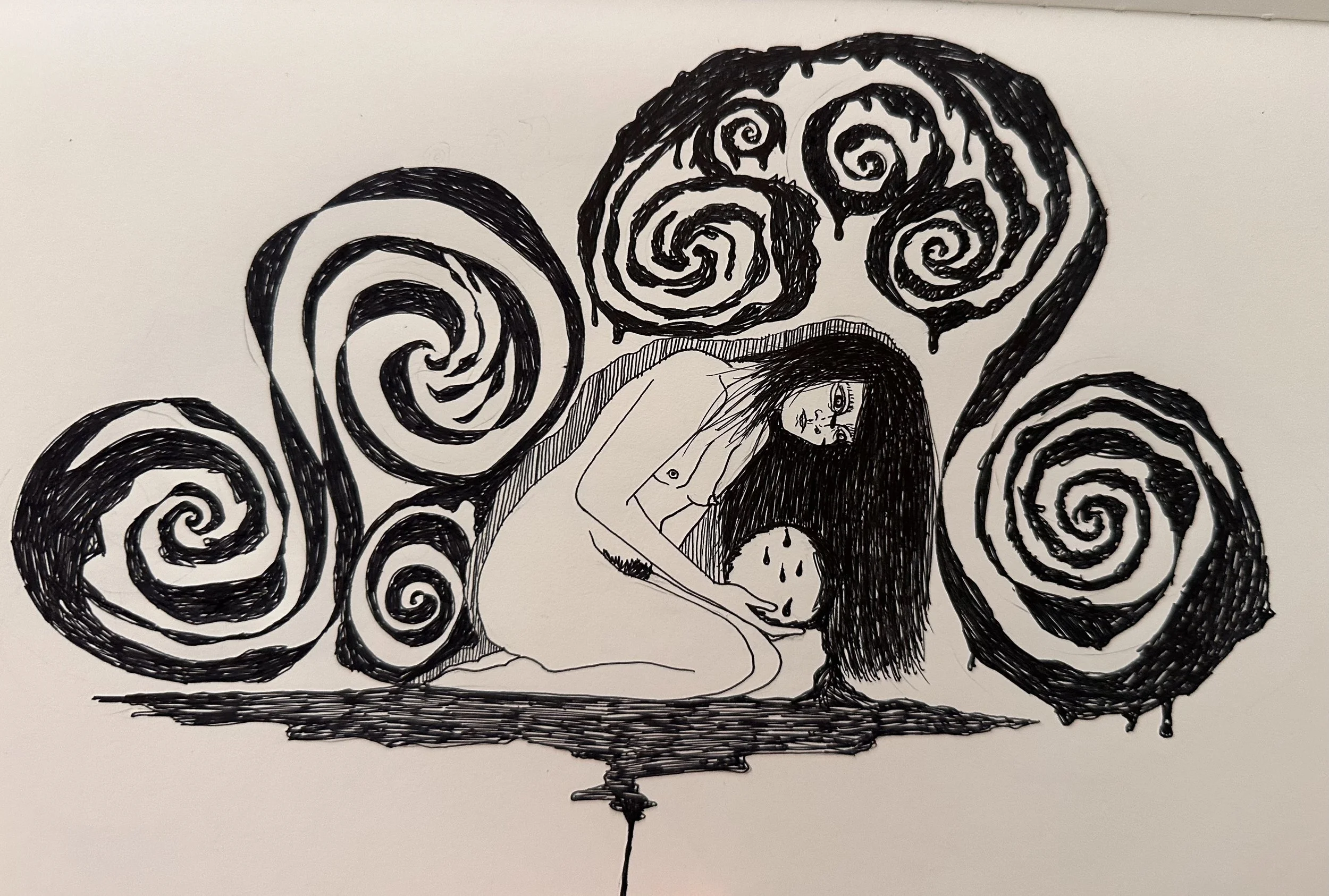
The relationships we have—with ourselves, others, and our communities—can become important pathways toward healing. Because healing does not happen in isolation, our work together may include exploring your relationship with yourself, your relationships with others, your community, and even the therapeutic relationship we build together. Through this process, we can become curious about what safety, care, connection, and belonging mean for you. I take a collaborative and non-hierarchical approach where you are the expert of your own life, and my role is to support, facilitate, and witness your process.
“Rarely, if ever, are any of us healed in isolation. Healing is an act of communion.” - bell hooks
Healing in Relationship